Notes from the bench.
Honest guides and stories on automatic watches, design, and the craft, written for people who actually want to understand what's on their wrist.
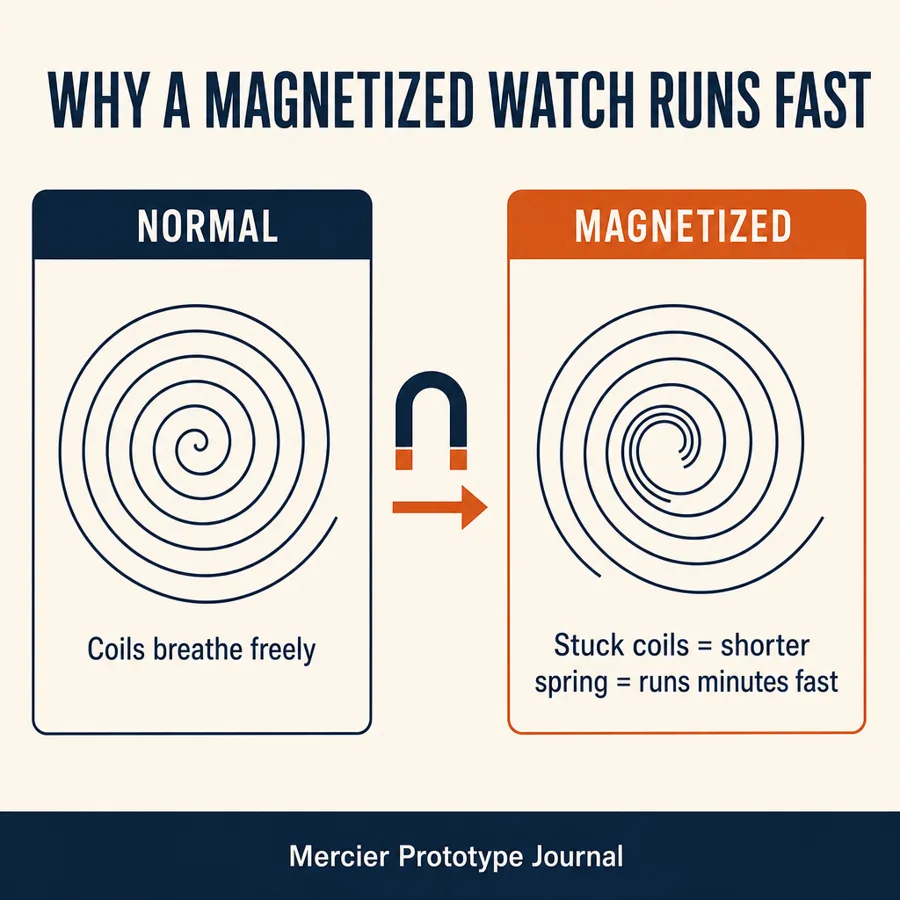
A watch running minutes fast is often magnetized. How to test it with a compass and fix it safely.
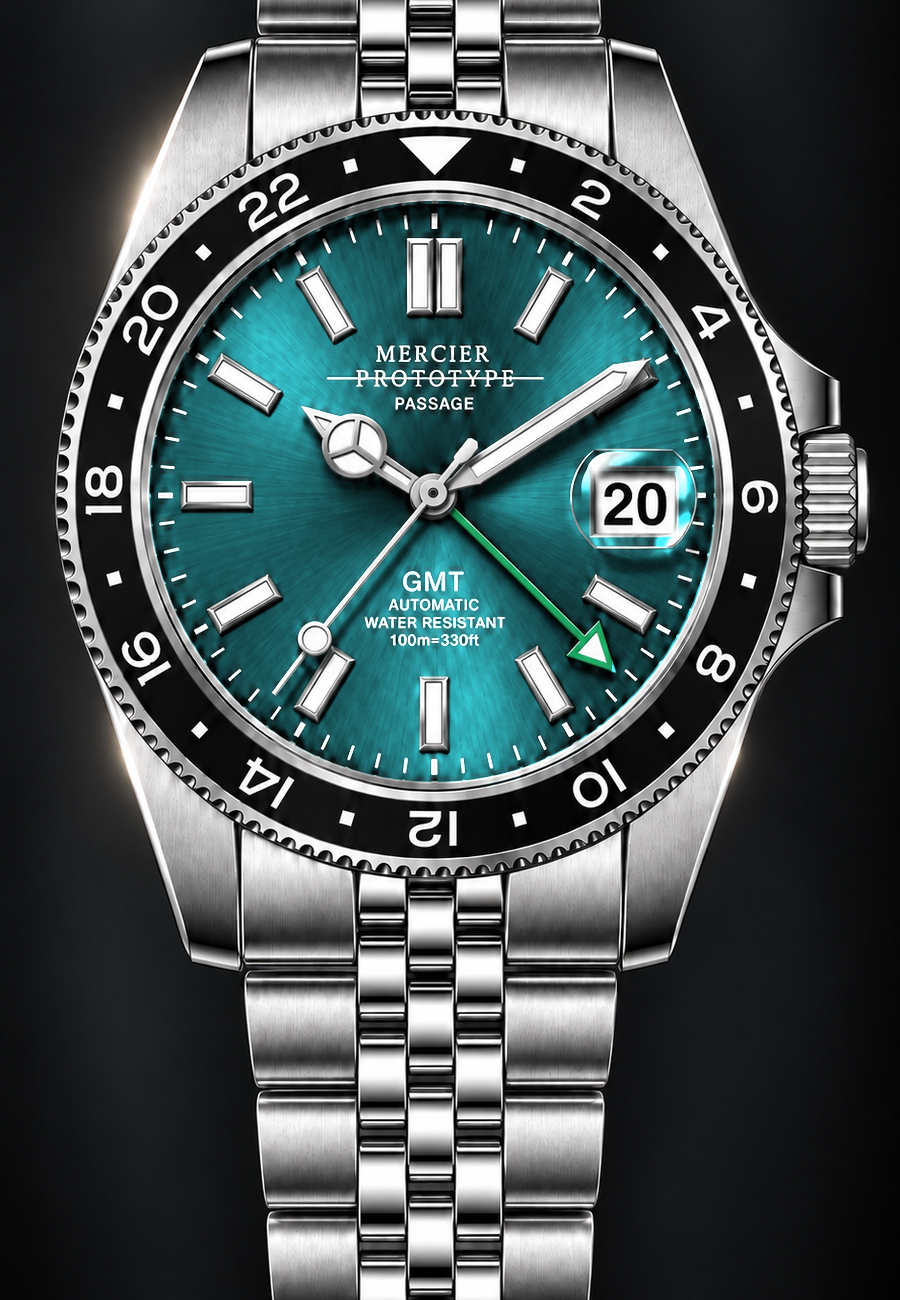
How a GMT watch works, true GMT vs caller GMT, GMT vs world timer, and how to set a second time zone for travel.
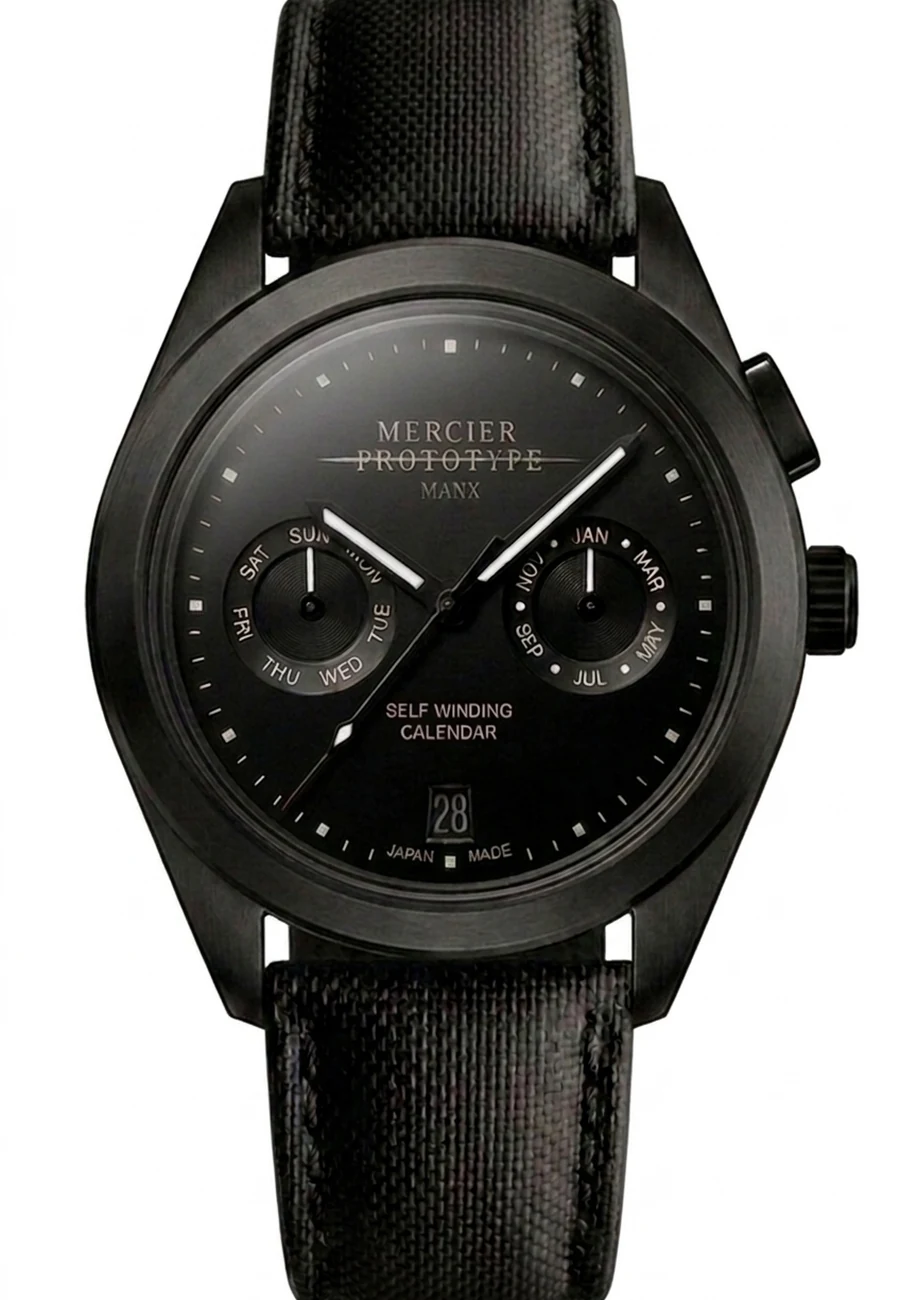
Calendar subdials are not stopwatch counters. Learn what day, month and date displays do, and how to choose a watch around the information you actually use.
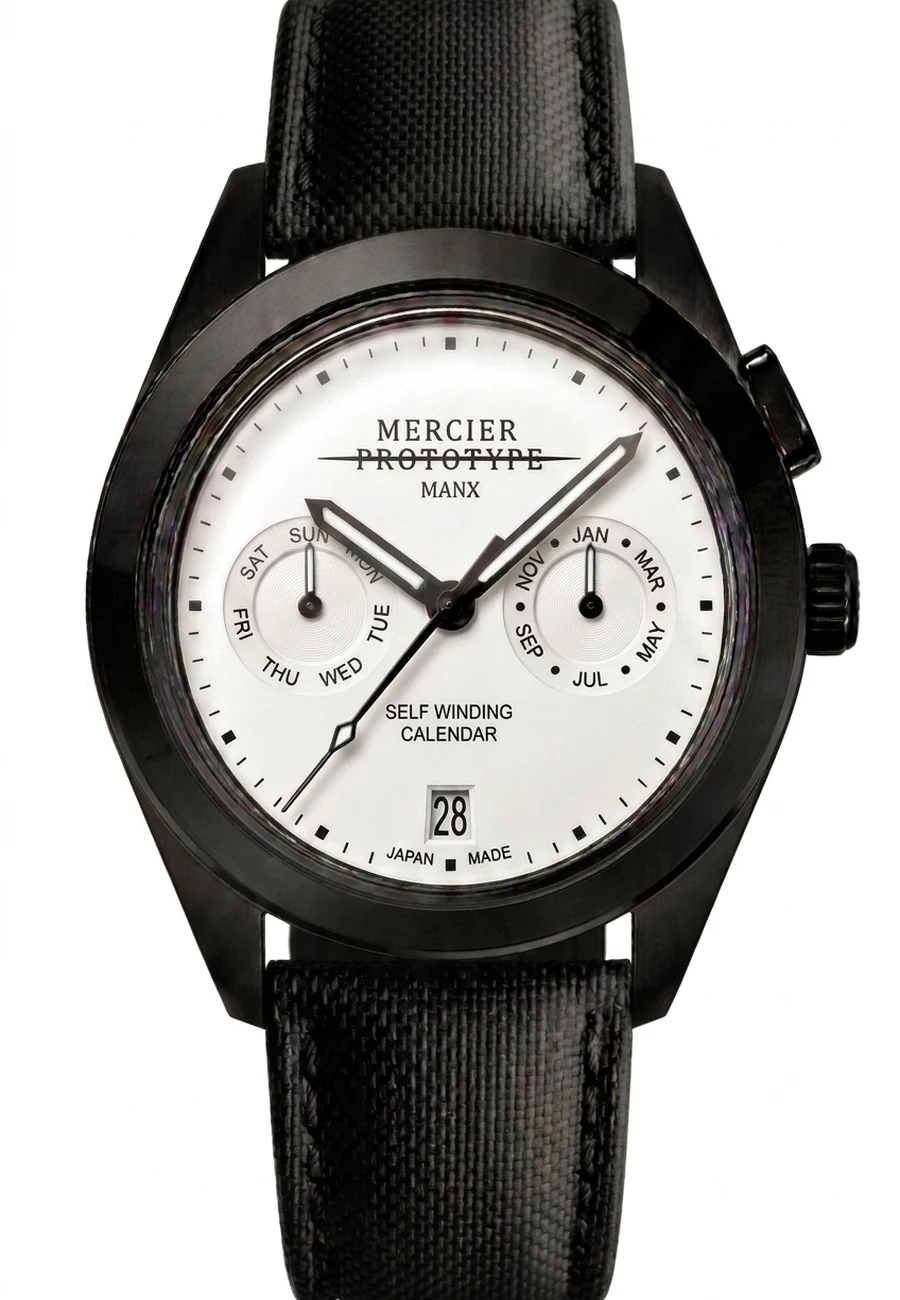
Noir or Blanc? Compare the real photographs, the way each dial reads and the shared mechanics before deciding which watch feels like yours.

The movement is not just something hidden behind the dial. It sets constraints that shape the watch, from calendar positions to the space under the crystal.
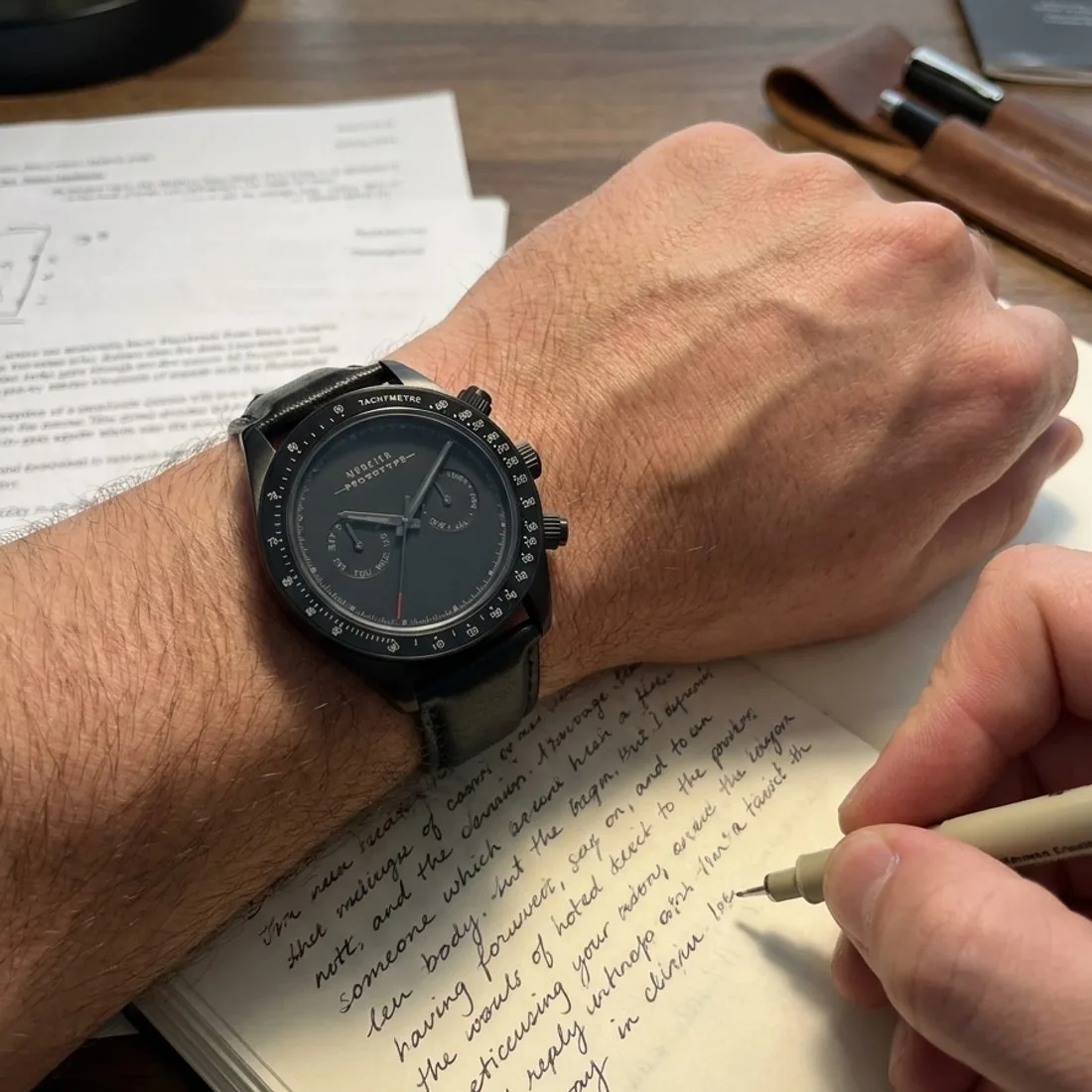
Sapphire or mineral glass? What the crystal on your watch is made of, why sapphire glares without a coating, domed vs. flat, and how to read a spec sheet before you buy.

Big brands sell you a logo; a small maker sells you the actual watch. What you get going independent: the founder on the other end of the email, an individually numbered piece, and every detail designed with intent by someone whose name is on the dial.
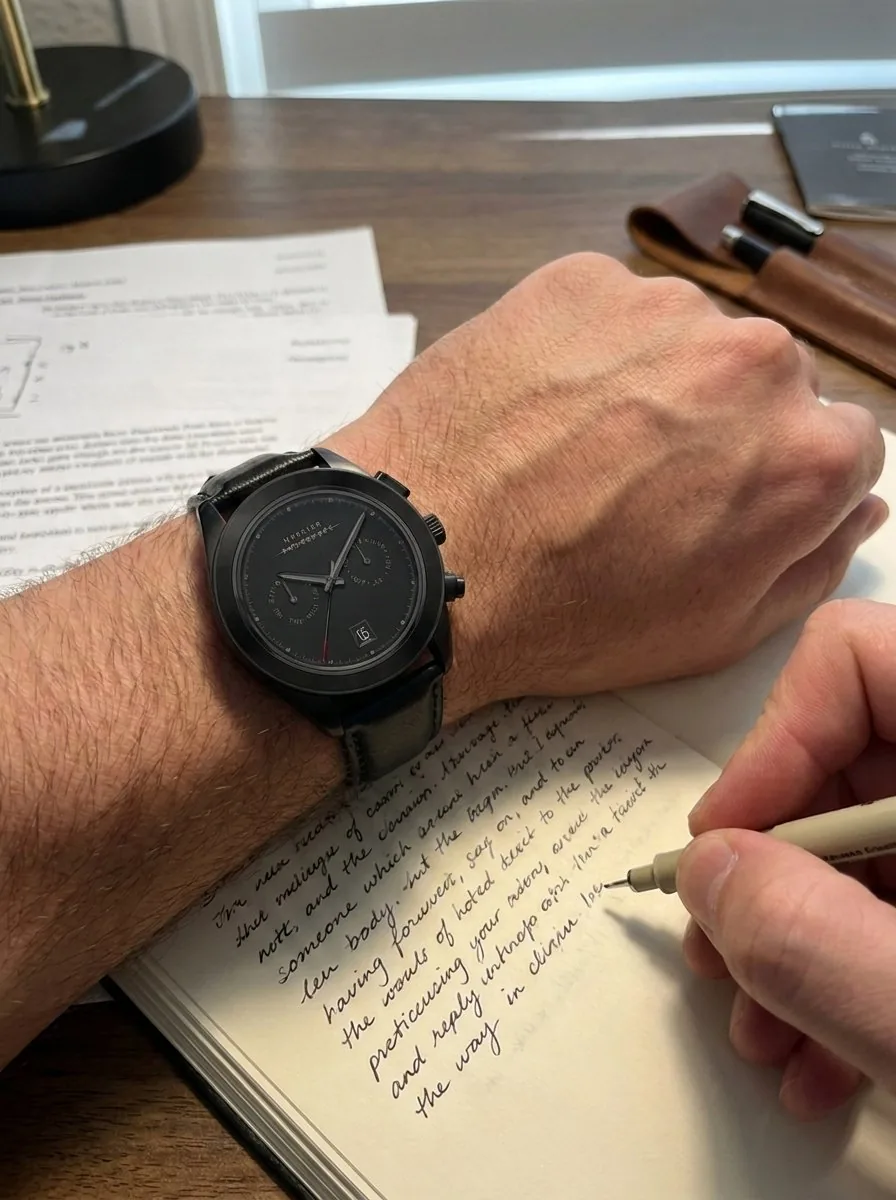
Looking sharp isn't about more clothes, it's about a uniform. The two pieces that do the most work: a crisp shirt with a collar that stands on its own, and a watch you'll actually wear every day.
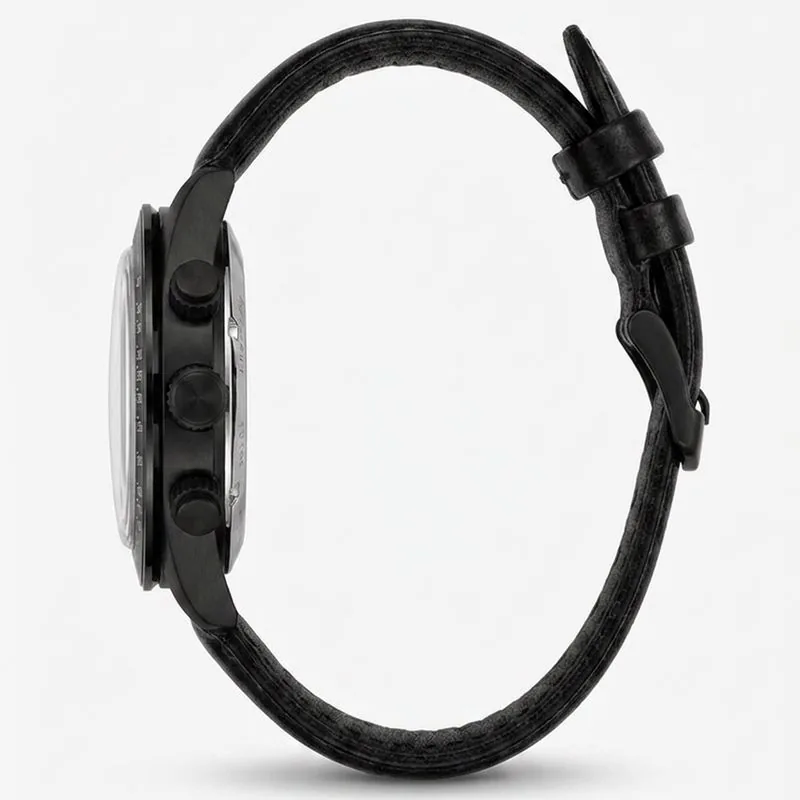
The depth number on your watch isn't a diving limit. Here's what 10 ATM really measures, what you can safely do in the water, and where the line is.

How each one keeps time, what they really cost to own, and the one difference you can feel on the wrist. The honest version, including which is right for your first real watch.
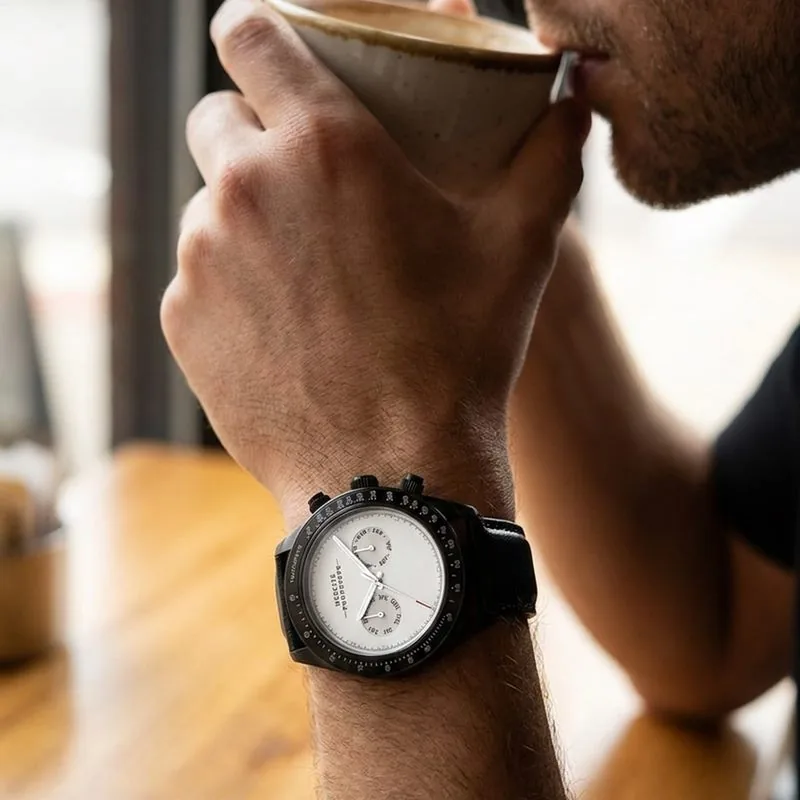
Movements, sapphire, water resistance, and the marketing traps to ignore, a plain-English guide to spending your money where it actually shows.
Born on the racetrack for one reason, legibility at speed. Sixty years later it's the most copied dial in watchmaking. Here's why it endures.