How to Maintain an Automatic Watch: A Step-by-Step Guide
Quick Summary
To maintain automatic watches, wear them daily so the rotor keeps the mainspring wound, wind them by hand after a rest, and keep the crown screwed down near water. Schedule professional service every 4 to 5 years.
- Wearing an automatic watch for 8 to 10 hours a day usually keeps the mainspring wound.
- After a day or two unworn, wind the crown 10 to 20 turns clockwise until it feels firm.
- Avoid changing the date between about 9 p.m. and 3 a.m., when the calendar mechanism is most likely to jam.
- Screw the crown fully down before any water exposure, since a loose crown is the most common path for moisture.
- Most automatic movements are serviced every 4 to 5 years by a watchmaker.
How to Maintain an Automatic Watch: A Step-by-Step Guide
Last Updated: Nov 19, 2026
Keeping the Mainspring Wound: Daily Wear and Manual Winding
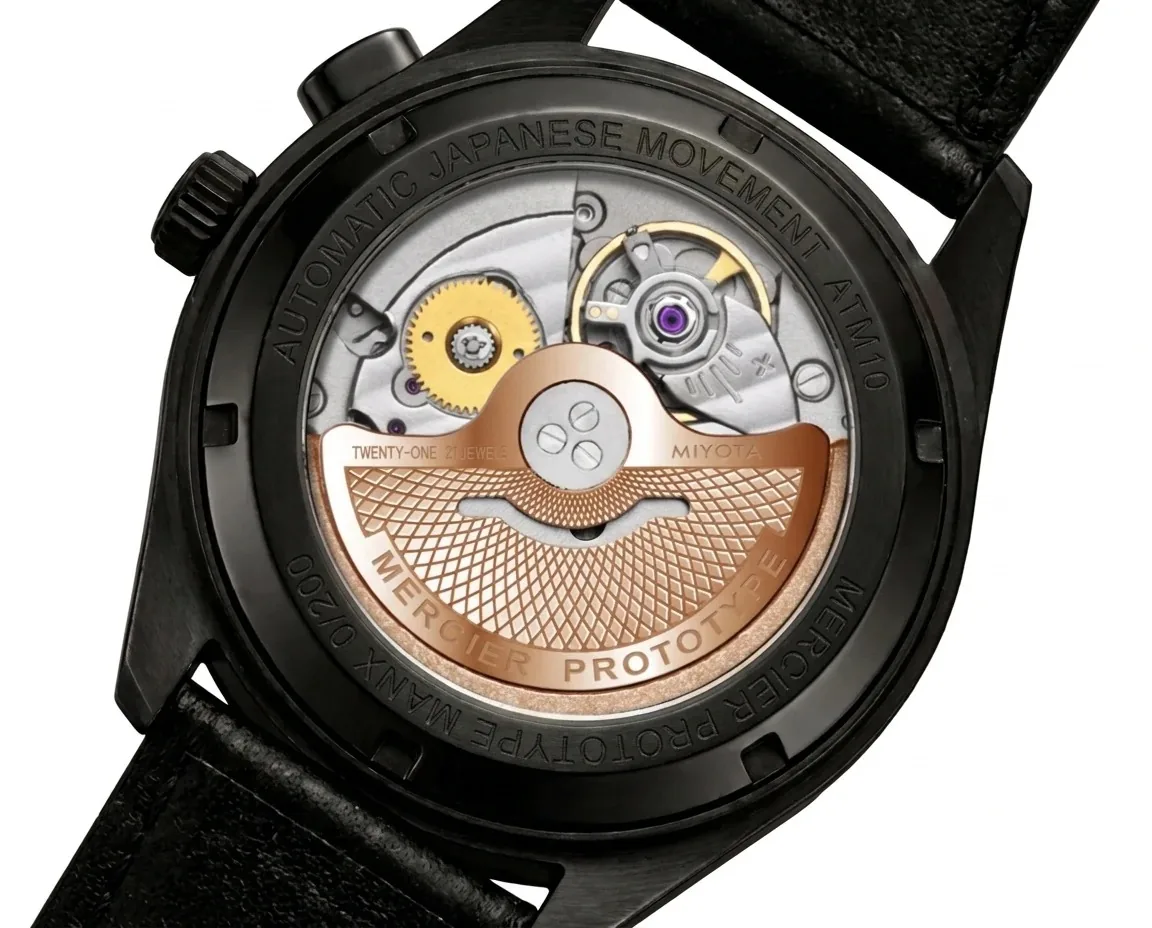
Most automatic watches keep running as long as you wear them. Wearing one for 8 to 10 hours a day is usually enough to keep the mainspring wound, according to Montres Outlet's 2026 automatic watch maintenance guide. To see what the movement inside does and what to expect from it day to day, read the breakdown of its specs and accuracy.
Step 1: Wear it daily. Your arm motion turns the rotor, which winds the mainspring. Give the watch a few hours on the wrist each day.
Step 2: Wind it by hand after a rest. If the watch sits unworn for a day or two, wind the crown 10 to 20 turns clockwise. Stop when it feels firm.
Step 3: Set the time carefully. Pull the crown out only after winding. Avoid changing the date between about 9 p.m. and 3 a.m., when the calendar mechanism is most likely to jam.
Watch out: winding a watch that is already fully wound does no harm, but forcing the crown can damage the stem.
Cleaning, Water Resistance and Crown Care
Keeping the case clean protects the seals and crown. Rinse the watch in fresh water after it touches salt water, then dry it with a soft microfiber cloth.
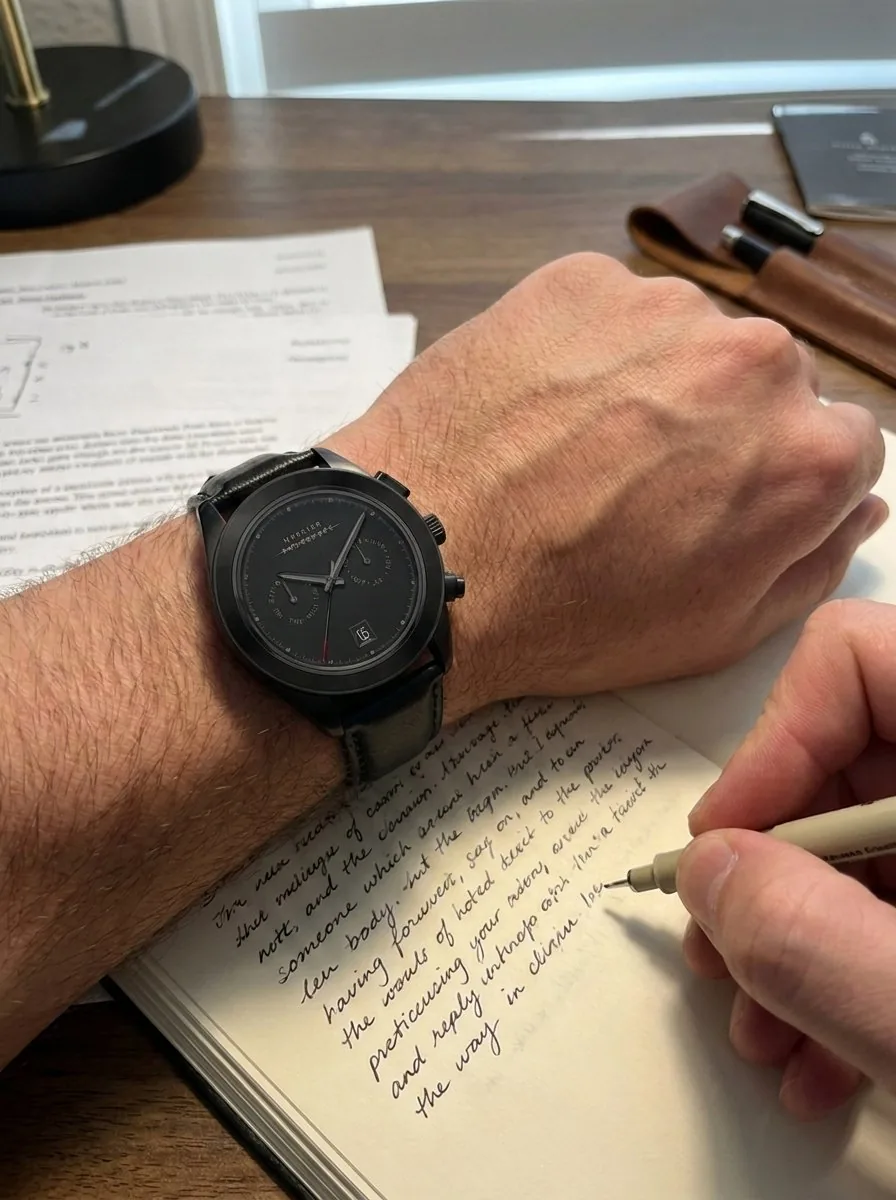
Step 1: Check the crown. Screw it down fully before any water exposure. A loose crown is the most common path for moisture into the case.
Step 2: Rinse, don't soak. Use lukewarm tap water and a soft brush for the bracelet or strap. Pat dry.
Step 3: Respect the rating. Mercier Prototype watches carry 10 ATM water resistance. That rating covers splashes and rain, not diving or hot water.
Steel cases tolerate light cleaning well. Leather straps should stay dry, so skip the rinse and wipe them instead.
Scheduling Professional Service for Your Automatic Watch
Mechanical movements need lubrication and gasket replacement over time. Most automatic movements are serviced every 4 to 5 years, according to Atelier Jalaper's guide to mechanical movement service intervals. If your watch runs minutes fast, test it for magnetization and fix it safely before booking a service.
Step 1: Note how the watch runs. Track accuracy for a week. Large swings or a sudden stop signal that it is time for a check.
Step 2: Keep the warranty in mind. Shipping details and warranty coverage are outlined on the shipping page and the warranty page before you send anything in.
Step 3: Ask who services it. Confirm the watchmaker can work on your specific movement before you send it off.
For a quick reference, see how common care tasks compare:
| Task | How Often | Who Does It |
|---|---|---|
| Wear or wind | Daily or after a rest | You |
| Rinse after salt water | After each exposure | You |
| Full service | Every 4 to 5 years | Watchmaker |
Keep your automatic watch running well with regular wear, simple cleaning and timely service. Shop watches from Mercier Prototype, each individually numbered and built to be cared for.
Frequently Asked Questions
Do automatic watches need maintenance?
Yes. An automatic watch is a mechanical movement with a mainspring, gaskets and lubricated parts that wear over time. Regular daily wear keeps the mainspring wound, and most automatic movements benefit from professional servicing every 4 to 5 years. Keeping the crown closed, rinsing the watch after exposure to salt water and avoiding strong magnets all help delay the need for major repairs. Even a watch that runs well should be inspected periodically, because seal integrity and lubrication decline gradually.
How long will an automatic watch last without wearing it?
Most automatic watches run for roughly 40 hours on a full wind, so a watch left unworn for a day or two will usually stop. If a watch has not been worn for 1 to 2 days, a manual wind of 10 to 20 turns of the crown is recommended before wearing it again. Storing the watch in a case or on a winder keeps it running, though leaving it unworn for long periods is still hard on lubricants and seals, so schedule a check if it sits for months.
How often should an automatic watch be serviced?
The most common practice in mechanical watchmaking is to service an automatic movement every 4 to 5 years. Between services, watch for signs that need attention sooner, such as a sudden loss of accuracy, a crown that feels loose, moisture under the crystal or a power reserve that falls short.