What Does 10 ATM Water Resistance Actually Mean? (And What It Doesn't)
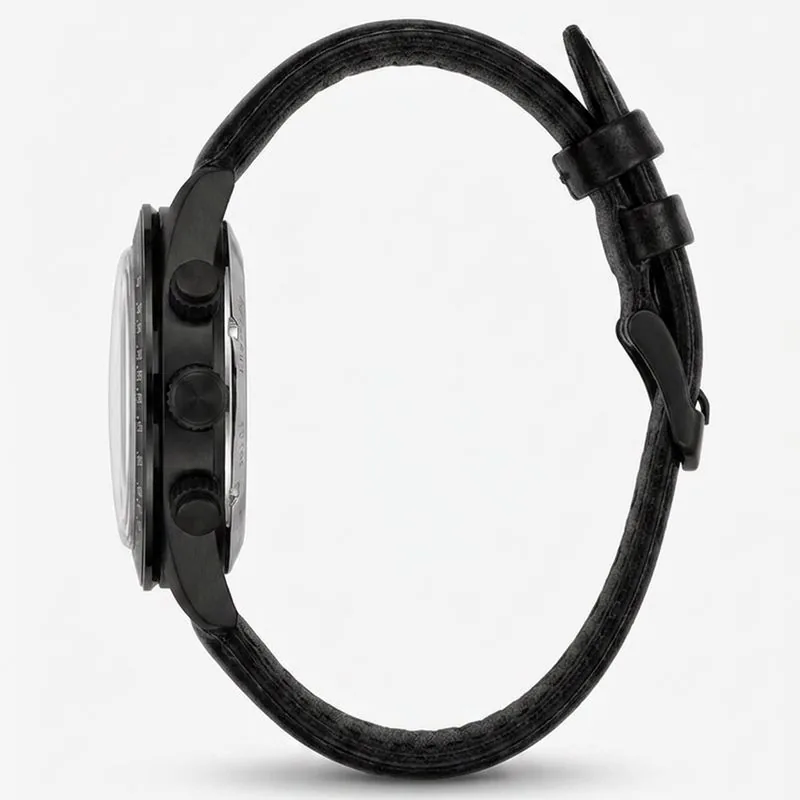
The depth number stamped on a watch is one of the most misread numbers in the whole hobby. It looks like a promise about how deep you can go. It isn't.
You'll see it written two ways, 10 ATM or 100m, and they mean the same thing. The trouble is what people assume they mean: that 100m is a depth you can swim to. It's a lab rating, not a diving limit, and understanding the difference is the whole point of this guide. The short version: a 10 ATM watch is built for real life around water. It is not built for descending into it.
ATM and metres are the same number
ATM stands for "atmospheres", a unit of pressure. One atmosphere is roughly the pressure exerted by 10 metres of water. So the math is simple:
- 5 ATM ≈ 50 metres
- 10 ATM ≈ 100 metres
- 20 ATM ≈ 200 metres
Both figures describe the same thing, how much static pressure the case sealed against in testing. They are not two different specs. If you see "10 ATM / 100m," that's one rating written twice.
Why the depth number isn't a depth
Here's the part the marketing skips. Water resistance is tested in a lab under static pressure, the watch sits still in a pressure chamber. Real water is never static. The moment you move, you add pressure: a swimmer's arm stroke, the slap of a wave, diving off a board, even the rush of water from a tap can briefly spike pressure well beyond the still-water equivalent of the depth you're at.
Temperature plays a role too. Jumping from a hot deck into cold water makes the metal and seals contract, and that's exactly when a marginal case can let moisture in. So the printed number is a ceiling measured under ideal, motionless conditions, and the usable, real-world figure is always lower. That's not a defect; it's how the rating works for every brand.
"A water resistance rating tells you what the watch survived in a lab. It's a floor for confidence, not a target to chase."
What you can actually do with 10 ATM
Practically speaking, 10 ATM is one of the most genuinely useful ratings for a daily watch. It comfortably covers everything most people will ever do:
In other words, a 10 ATM watch is a swim-and-snorkel watch you never have to baby around water. It just isn't a descent tool, and almost nobody actually needs one of those.
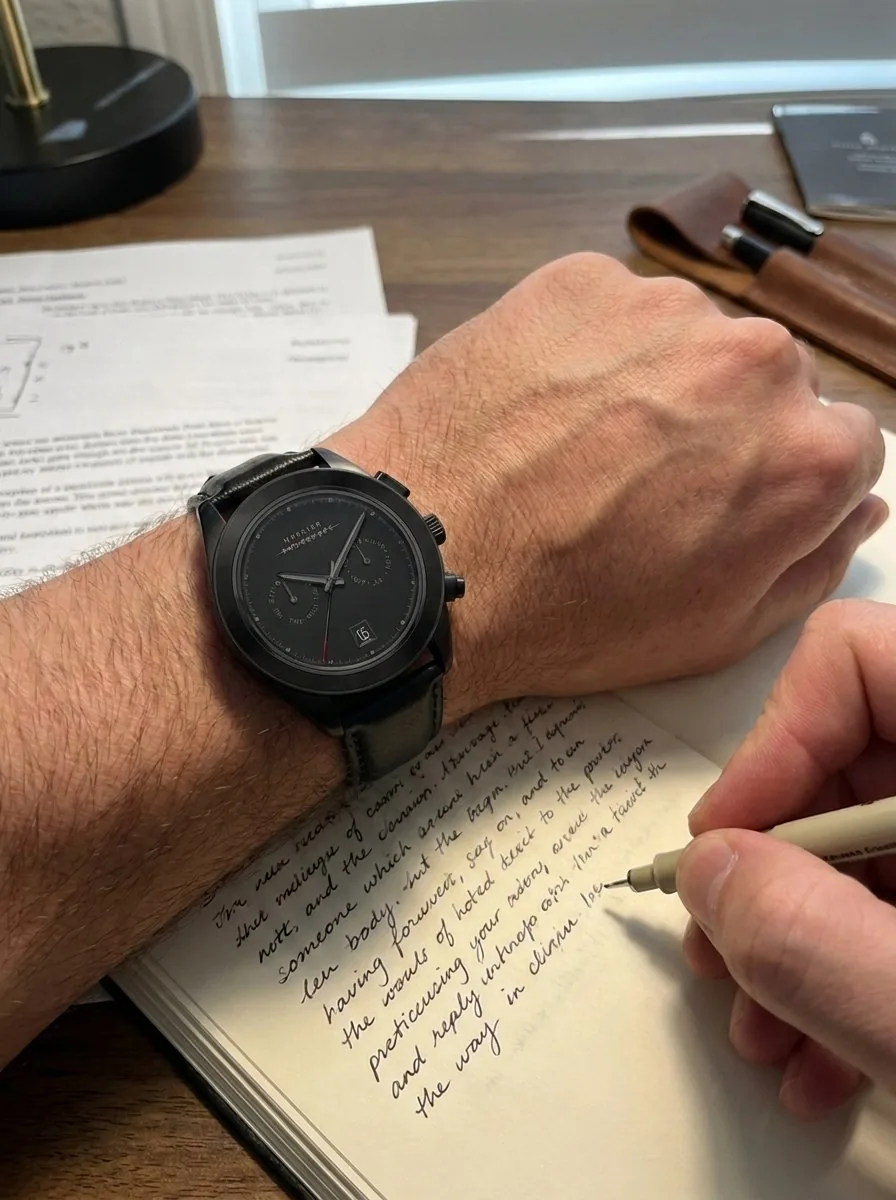
Three habits that keep it water-tight
A rating only holds if the watch is treated right. Three rules cover almost every failure:
- Never touch the crown or pushers when the watch is wet. The crown is the single most common entry point. Make sure it's fully pushed in (or screwed down) before any contact with water.
- Rinse after salt water or pool chemicals, then dry it off. Salt and chlorine are hard on gaskets and finishes.
- Get the seals checked periodically. Gaskets are rubber; they age, dry, and compress. Water resistance is a maintenance item, not a permanent property, have it pressure-tested when the watch is serviced.
The honest takeaway
10 ATM isn't the biggest number on the spec sheet, and it was never meant to be. It's the number that quietly matches how people actually live, swimming, sweating, getting caught in the rain, without the bulk or the false promise of a dive rating you'll never use. When we list a spec, we list what it means in real life. That's the whole idea behind reading the spec sheet honestly.
Manx, 10 ATM, no babying.
A Japan-made automatic with a domed sapphire crystal and 10 ATM of water resistance, engineered for the rain, the pool, and the everyday, not for a display case. Individually numbered, built to be worn.
See the collection →