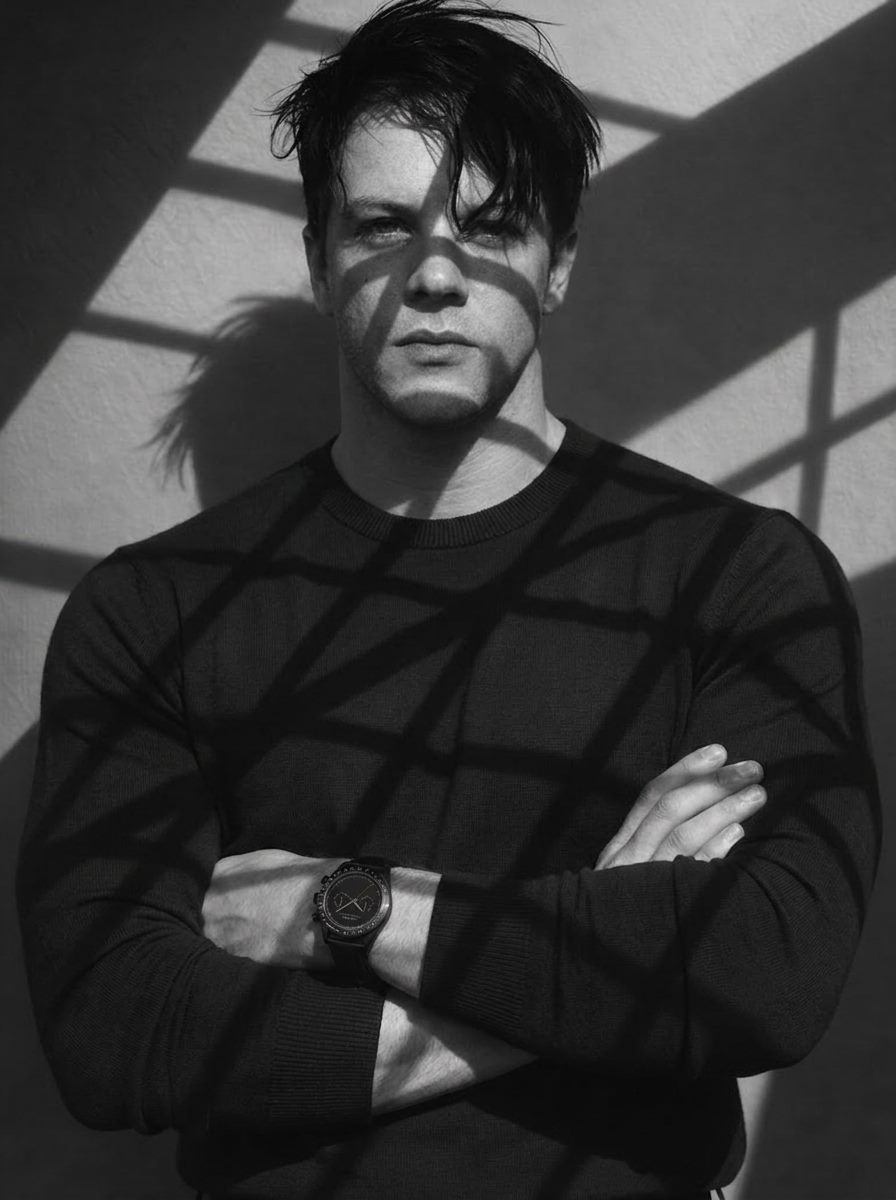
Most of what you pay for in a well-known watch isn't the watch. It's the sponsorship deal, the airport boutique, the celebrity on the billboard, and the layers of distributors that stand between the person who made it and the person who wears it. None of that ends up on your wrist. It ends up in the price.
A small, independent watch company works the other way around. There's no marketing machine to feed, so the money goes where it should — into the case, the crystal, the movement, and the person you can actually reach. Here's what that changes.
You can reach the maker
Write to a big brand and you get a ticket number and a script. Write to a small one and you get the founder. At Mercier Prototype, the person who designed the Manx is the same person who reads your email — a Belgian-designed, veteran-owned shop small enough that nothing gets lost in a call center.
That isn't a gimmick. It's a different relationship. When one person stands behind every piece, "customer service" stops being a department and becomes what it should be: a conversation with someone who cares whether you're happy with the watch, because their name is on it.
Every piece is accounted for
Scale forces sameness. To make hundreds of thousands of units, a large brand has to treat every watch as identical — one of a nameless run. A small maker can do the opposite. Every Manx is individually numbered, which is only possible because someone is actually keeping count.
That number isn't decoration. It means your watch has a place in a small, finite series — not an anonymous SKU stamped out by the container-load. You know roughly how few exist, and you know yours is one specific example, not a copy of a copy.
Honest pricing, nothing hidden in the markup
The uncomfortable truth of the watch world is that a name can multiply a price several times over without adding a thing to the object. You pay for recognition, not engineering.
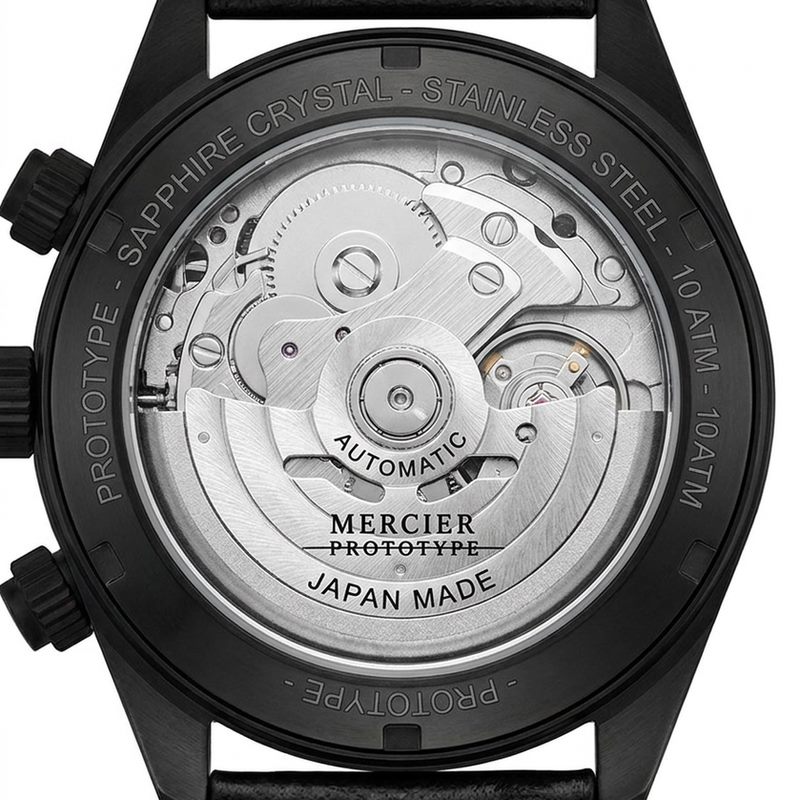
A small company doesn't have that luxury — and that's the point. With no billboards and no middlemen taking a cut, the spec sheet has to earn the price on its own. On the Manx, that means the things you can actually feel: a genuine automatic movement, a domed sapphire crystal, a blacked-out PVD case, real water resistance. Accessible luxury isn't a slogan here — it's what's left when you stop paying for everything that isn't the watch.
The story is real — and you're in it
A heritage brand sells you a story that ended decades before you were born. A small company sells you one that's still being written — and buying in makes you part of it.
Mercier Prototype started because one person couldn't find the watch he wanted, so he made it. When you buy from a shop like that, your money doesn't disappear into a holding company's quarterly numbers. It goes to a maker, keeps the next design alive, and puts you in early on something before the world catches on. That's the whole idea behind the Inner Circle — the people who were here first.
"A big brand wants you to recognize the name on the dial. A small one wants you to remember the person behind it."
"But what about service and trust?"
It's the fair question, so here's the honest answer. The two worries people have about going small are usually these:
- "Will they stand behind it?" — A small maker has more to lose from a single unhappy owner than a giant does from a thousand. The warranty isn't a form; it's a person who'd rather fix your watch than lose your word-of-mouth.
- "Will it hold up?" — Sapphire is sapphire and a good automatic movement is a good automatic movement, whoever's name is on the dial. Independence changes the price and the story, not the physics.
You give up the airport-lounge familiarity of a household name. In exchange you get a watch chosen on its merits, a maker who answers, and a number that's yours. For a lot of people, that's not a compromise — it's the entire reason to buy.
Manx — individually numbered.
An accessible-luxury automatic from a small, Belgian-designed, veteran-owned shop. Built to be worn, backed by the person who made it.
See the collection →